


In May, I wrote an article titled It’s Time for Morel’s where I referenced the need for a walking stick, a good pair of boots and a keen eye to be successful when looking for the elusive fungi.
Nowhere could such advice be more relevant than when hunting for ginseng. And just like hunting morel’s, finding ginseng plots is not easy. Moreover, once found, the plot locations are a closely guarded secret to allow for future gatherings. The ginseng hunting season in Pennsylvania this year, like in previous years, runs from September 1 to November 30. It is illegal to harvest ginseng outside of this period.
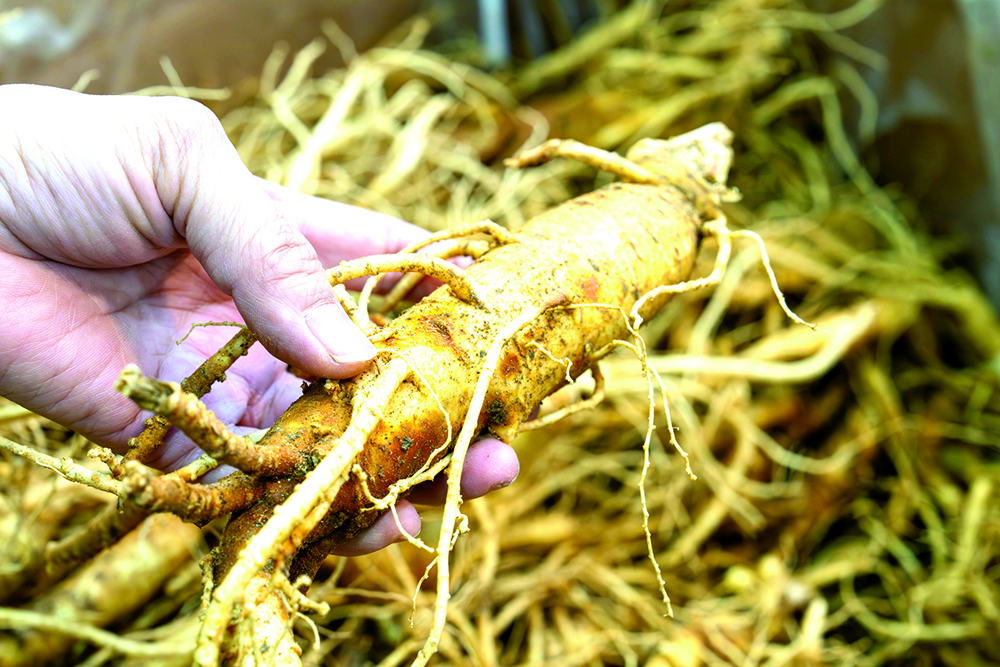
Ginseng hunting, often called “seng digging” in rural regions of the United States, is the practice of foraging for wild American ginseng (Panax quinquefolius), a valuable medicinal root native to the hardwood forests of eastern North America. Traditionally practiced in the Appalachian and Ozark regions, ginseng hunting blends aspects of herbal medicine, ecology, cultural heritage, and economic activity.
American ginseng has been used for centuries in traditional medicine, especially in Asia, where it is highly prized for its purported health benefits, including boosting energy, reducing stress, and improving immune function.
Due to high demand, particularly in Chinese markets, wild ginseng roots can fetch hundreds of dollars per pound (usually averaging around $500 – $800 per pound dried). Cultivated or field-grown ginseng can be purchased for as little as $50 per pound.
All this makes ginseng hunting a seasonal source of income for many rural residents. A pound of green (newly extracted) roots will dry to about a third of a pound of root…doing the math you would need approximately three pounds of root to fetch a pound of dried ginseng root.
The ginseng plant typically grows in shaded, undisturbed hardwood forests and prefers north-or east-facing slopes. It is a slow-growing perennial, taking at least five to ten years to reach maturity. A mature plant typically has three to five prongs (compound leaves) and produces red berries in late summer. These characteristics help diggers identify harvestable plants.

Hunting ginseng requires not only botanical knowledge but also a deep understanding of the local environment. Successful ginseng hunters know how to read the forest, spotting signs of healthy habitat and locating plants among dense undergrowth. Harvesting is done carefully to avoid damaging the plant or its surrounding habitat. The root is dug using small tools like a trowel or mattock to minimize disturbance. Sustainable diggers also replant the berries from harvested plants to help replenish the population.
However, the popularity and profitability of ginseng hunting have led to serious conservation concerns. Overharvesting, habitat loss, and illegal poaching have significantly reduced wild ginseng populations. In response, both state and federal agencies have implemented regulations to protect the species. For example, harvest seasons are restricted to late summer and early fall, and only mature plants may be legally harvested. Some areas require diggers to obtain permits, and exporting ginseng across state or national borders often involves strict documentation and inspection.
Ethical ginseng hunting involves adhering to these regulations and practicing sustainable harvesting techniques. Many diggers see themselves as stewards of the forest, and some even participate in conservation programs aimed at protecting ginseng habitats or cultivating ginseng in forested plots to reduce pressure on wild populations.
In recent years, interest in wild ginseng has grown due to media attention and reality television shows, drawing more people into the practice—some experienced, others not. This has increased competition and, in some cases, led to conflicts or trespassing issues. As a result, education and enforcement have become more critical to ensure the long-term survival of wild ginseng populations.
Ginseng hunting is more than a means of income—it is a cultural tradition, a connection to the land, and a practice requiring knowledge, respect, and responsibility. Ensuring its sustainability will require a balance between economic interests, ecological preservation, and cultural heritage.