


GREENE GARDENS: Pollinators & Why We Should Care About Them
By Lisa Lewis of the Greene County Master Gardeners
Scientists estimate that one out of every three bites of food we eat exists because of pollinators. Three-fourths of the world’s flowering plants and roughly 35% of the world’s food crop depend on pollinators to reproduce. Without pollinators, our diets and the diets of all animals, would be severely limited and we would be unable to get the range of vitamins and minerals we need to survive and to stay healthy.
So, what are these things called pollinators we are so dependent upon? Pollinators are simply insects, birds, and other animals that move pollen from the male part of a flower, called the anther, to the female part, or stigma. This can happen on the same plant, called self-pollination, or between plants of the same species, called cross-pollination. In either case, the result is the same: the flower’s egg becomes fertilized allowing it to produce the seeds and surrounding fruit or vegetable so that the next generation of plants can come into being. And we can eat!
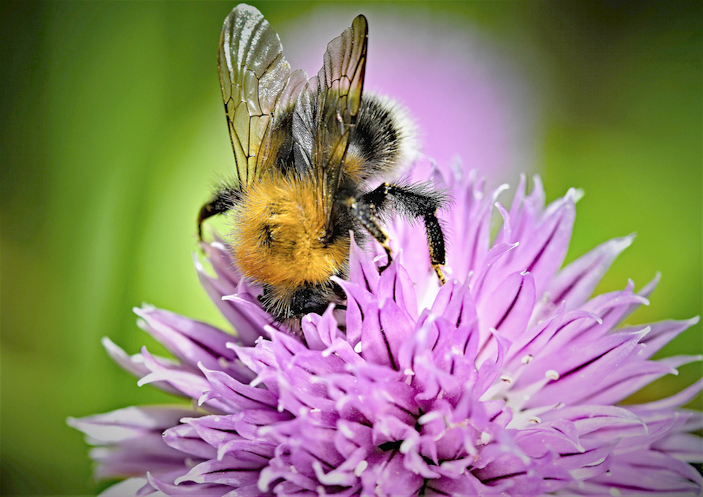
The most important pollinators are bees. More than 3,500 species of native bees help increase crop yield. (Around 400 species of native bees have been observed in Pennsylvania.) Other important pollinators include some species of flies, butterflies and moths, beetles, ants, wasps, birds such as hummingbirds, bats, possums and so on. Some plants like wheat have lightweight, smooth pollen and they are pollinated by the wind. But many plants have heavy, sticky pollen that requires being physically moved from anther to stigma by a pollinator.
You may have heard that pollinator populations have been rapidly declining in recent years. Sadly, this is true. The causes are multiple and interactive and include the use of pesticides, habitat loss due to human encroachment, disease/parasites, encroachment of invasive plants, and climate change. Some pesticides kill pollinators outright while others do so indirectly by impairing their memory and ability to return to the hive or by suppressing the immune system causing heightened vulnerability to disease.
So what can you do to help? Like us, pollinators are hungry! We need to give them a healthy smorgasbord to choose from. By planting a diverse range of flowers, shrubs and trees – especially the ones native to our area – and by eliminating or at least reducing our use of pesticides, we can help our pollinator friends.
SOURCES: Schmotzer, C. Pollination and Pollinators. PSU, April 26, 2018; Insects and pollinators. USDA, Natural Resources Conservation Services, 2021; Pollinators 101. PSU, Department of Entomology, 2022.
Providing for our Pollinators
By GreeneScene Magazine
Pollinators are a vital part of our environment, and they are in trouble. As mentioned in the pollinator article by Master Gardener Lisa Lewis, about three-fourths of the world’s flowering plants depend on pollinators to reproduce. Some scientists even estimate that one out of every three bites of food we eat exists thanks to the many types of pollinators. Without pollinators, we wouldn’t be able to enjoy favorites like strawberries and other berries, tree fruits like apples, peaches, and lemons, pumpkins, honey, various vegetables, coffee, grapes (and wine), and even chocolate!
While bees and butterflies are most often thought of when someone refers to pollinators, many animals across the world play a part in pollination. Other pollinators include ants, bats, beetles, birds, flies, moths, wasps, slugs, gnats, honey possums, lemurs, and even reptiles.
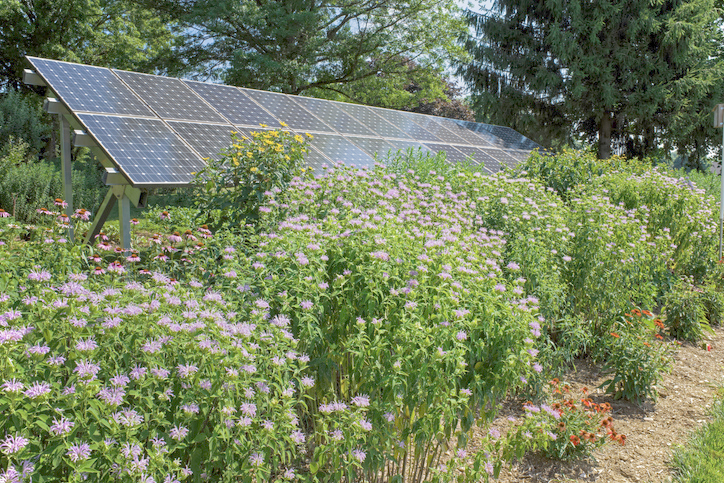
So, how can I help pollinators? There are many ways to help pollinators that can be done right in your backyard. Creating a pollinator-friendly garden is a great way to provide both food and a habitat to help local pollinators thrive. Even if you don’t have space for a garden, you can plant pollinators in containers that can be placed in windows or on porches.
The biggest step you can take to help pollinators is to plant non-invasive, pollinator-friendly plants in your yard or garden. When choosing your plants, make sure to select a diverse and abundant mixture of nectar- and pollen-rich plants, with varieties that flower from early spring to late fall. The plants should also be varied in colors, scents, and shapes to attract the widest range of pollinators. Plant in drifts of at least three (a group of the same plants arranged in a natural way, and, usually in odd numbers). Drifts of plants are easier for pollinators to find. Place plants close together. This helps form a natural weed barrier and reduces the need for mulch or landscape fabric. To attract bees, plant flowers that are purple, yellow, or blue; hummingbirds and butterflies are attracted to colors like red, orange, and yellow. Check out the sidebar to see a list of great pollinators for your Greene County garden.

Pollinator-friendly landscapes will receive some plant damage on plants used to provide habitats for butterfly and moth larvae. This damage is natural and should be expected. Avoid using pesticides in your garden or yard, as these can hurt your visiting pollinators. Use pest control strategies such as removing pest habitats, planting naturally disease- and pest-resistant plants, manual removal of pests, and proper disposal of infested plants. If you must use pesticides, choose low impact pesticides that selective to specific types of insects and have low toxicity to your pollinators.
In addition to planting pollinator-friendly plants, make sure to provide clean water for your pollinators. Use a shallow dish or a birdbath to provide water and include stones in the water to provide safe perches. Consider leaving dead tree trunks or “snags” to provide habitats for wood-nesting bees and beetles. Native bee houses can also provide homes for many bee species. Other ways to aid in pollination are to add wildlife-friendly elements, like bird houses and feeders, hummingbird feeders, and bat boxes. You can also allow some areas of your yard to grow a little wild and allow “weeds” like dandelions to bloom
Garden Pollinators For Greene
A diverse mixture of native, non-invasive plants in your pollinator garden will provide both a habitat and food source to a wide range of pollinators. Plants should be nectar- and pollen-rich, varied in colors, scents, and shapes, planted in abundance with drifts of species, with species that bloom from early spring to late fall.
Varieties to plant include boneset (Eupatorium perfoliatum), swamp milkweed (Asclepias incarnata), butterfly milkweed (Asclepias tuberosa), stiff goldenrod (Solidago rigida), Joe Pye (Euthrochium dubium or Euthrochium fistulosum), purple coneflowers (Echinacea purpurea), mountain mint (Pycnanthemum muticum and Pycnanthemum virginianum), field thistle (Cirsium discolor), and more. Visit https://xerces.org/publications/plant-lists/pollinator-plants-great-lakes-region for a list of suggested plants or reach out to our local Master Gardeners.
Turn “Pests” Into Garden Guests
By GreeneScene Magazine
Some animals we know are good for our garden. Most are familiar with the importance of pollinators like butterflies, moths, bees, and birds. But wildlife often considered pests are beneficial for a thriving garden. These “pests” can help with pollination and pest control, improve soil health and support fertilization, and provide your garden with ecological balance.
Worms. Wiggling through the dirt, worms are one of your garden’s best friends. Some worms are natural composters and can process organic matter into nutrients for your plants. Other worms aerate the soil as they move through the earth. This allows both water and air to flow through the soil more easily to provide nutrients to your plants. If you want to attract earthworms to your garden, provide organically rich soil. You can bury cardboard just under the surface to enrich the soil. You can also build a worm bin that allows worms to come and go as they choose.
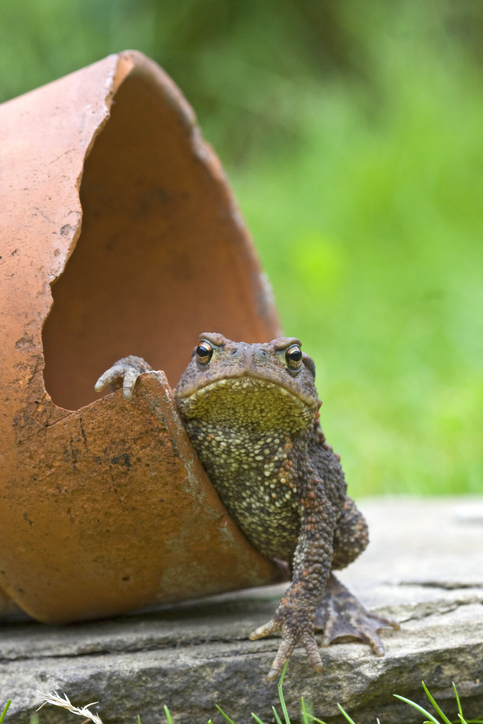
Reptiles & Amphibians. Lizards, toads, frogs, and snakes are incredible, natural pest control. Our hopping, crawling, and slithering friends eat many animals that are harmful to your garden, such as slugs, snails, rodents, and insects. Toads can eat up to 10,000 bugs in a single summer – approximately 100 bugs every night!
Most reptiles prefer dark, safe places to hide when they aren’t on the prowl or in search of some sun to warm up. Woodpiles provide and other similar items provide low shelter that will attract snakes. Toads prefer dark, moist places like logs, rocks, or even an overturned pot; these all make excellent toad houses. Make sure to provide a source of fresh water for your reptile friends. If you want to attract frogs, consider creating a frog pond.
Spiders, Beetles & Other Insects. While often seen as scary, these six-, eight-, and many-legged creatures are often our friends. Like reptiles and amphibians, spiders are excellent pest control and assist in reducing unwanted insects in your garden like mosquitos, flies, roaches, mites, and aphids. Centipedes are also great pest control.
While some beetles are harmful to gardens, others can be very beneficial. They often aid in pollination, can help control pests, and can turn dead plant and animal matter into plant fertilizer. Ladybugs eat both pollen and other insects and can assist with pest control of aphids and mites. You can attract them with pollen, and plants like chives, dill, fennel, and marigolds.
To attract spiders, plant perennial bushes to serve as habitats. Leave mulch piles and dried leaves to attract ground dwelling spiders. To attract centipedes, provide a place to hide such as logs, stones, bricks, or similar items.
Bats. Bats are another example of excellent, natural pest control. They eat many types of small insects and keep mosquito populations down. While mosquitos don’t directly impact your garden, they can impact your enjoyment and care of it. Mosquitos pester us as we garden or relax outdoors and can spread deadly diseases. Reducing the amount of mosquitos in your garden can increase your enjoyment of it. If you’ve got the right environment, you can build or purchase a bat house and place on your property.