


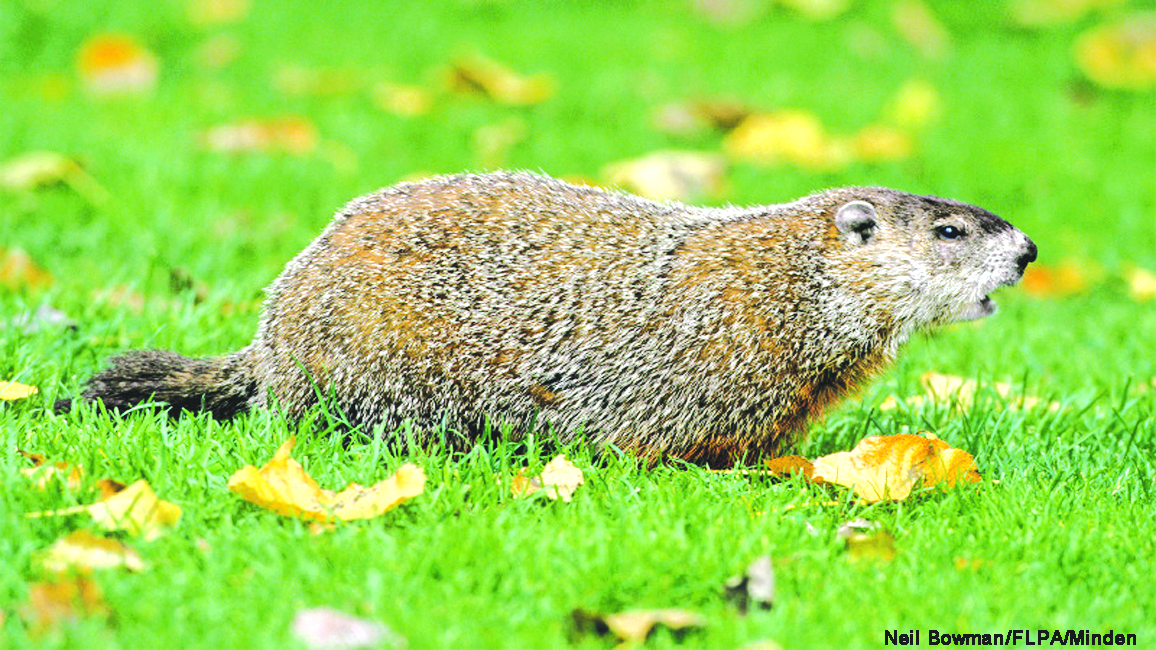
Isn’t that like eating roadkill? That’s the reaction you get from most people when the subject is mentioned. However, these rodents are generally speaking a very “clean” animal, foraging mostly on vegetation. If you own land, are a gardener or a farmer, you are familiar with this animal and you know they can be real pests. Groundhogs are vegetarian and can eat a lot of produce, up to 25%-30% of their body weight per day…with summer being their most active feeding period in preparation for winter hibernation.
Cooking groundhog is a practice steeped in tradition. While not mainstream, it continues to be a cultural and culinary experience for those who enjoy wild game. When prepared properly, groundhog meat offers a flavorful and nutritious meal rooted in North American heritage.
Typically, herbivores (plant eaters) will have a rich-yet-mild tasting meat as opposed to omnivores (meat eaters). While groundhog is not a common item in a grocery store or on a menu, it remains a part of wild game cooking for those who practice foraging and sustainable hunting. Country folks have been hunting and consuming groundhogs for centuries. Groundhog, also known as woodchuck, has long been a part of traditional American and Indigenous cuisine, particularly in rural and Appalachian regions. Historically, these animals were hunted as part of subsistence living, and their meat provided an important source of protein. The meat is often stewed, roasted, or preserved in salt. Today, groundhog hunting is still practiced in most rural communities during the summer and early fall, both for population control and as a seasonal delicacy.
Preparation and Cleaning
Before cooking groundhog, thorough cleaning is essential. Groundhogs have scent glands under their front legs that must be removed to avoid a musky flavor. After field dressing and skinning the animal, it’s important to soak the meat in salted water or a vinegar brine for several hours or overnight. This step helps remove any gamey taste.
The meat is typically tender but can be fatty, particularly in older animals. Trimming excess fat can improve the flavor and texture. Young groundhogs are preferred for their more tender meat.
Cooking Methods

Groundhog can be cooked using a variety of methods, much like rabbit or squirrel. The most popular methods include:
• Stewing or Braising: Slow cooking in a stew with vegetables such as carrots, potatoes, onions, and celery is common. The low and slow method helps tenderize the meat and infuse it with flavor.
• Roasting: Groundhog can be roasted in an oven or over a fire, often after being marinated or seasoned with herbs and spices.
• Frying: Some prefer to parboil the meat first to tenderize it, then dredge it in flour and fry it for a crispy finish.
• Barbecuing: When marinated and slow-cooked over smoke, groundhog can take on a flavor similar to pork or other wild game meats.
Traditional recipes may include herbs like thyme, sage, or bay leaves, and acidic components such as tomatoes or vinegar to balance the richness of the meat.
Safety Considerations
As with all wild game, cooking groundhog requires attention to food safety. Groundhogs can carry parasites, including roundworms and fleas. Always ensure the animal was healthy when harvested and that the meat is cooked to an internal temperature of at least 165°F (74°C) to kill any pathogens.
Hunters should also check local laws regarding groundhog hunting, as regulations vary by state or province.