


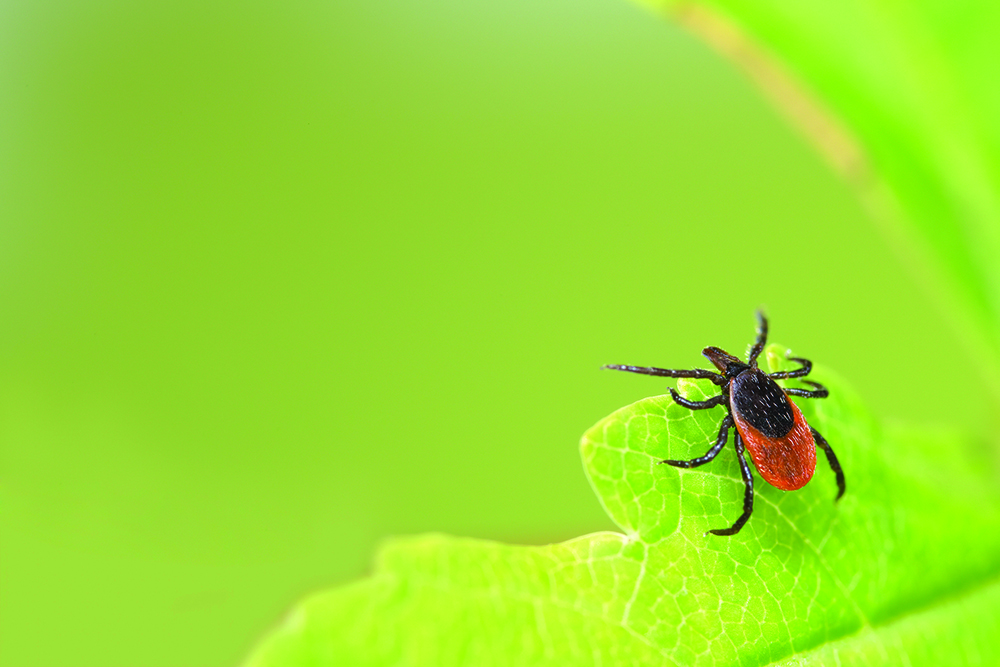
Ticks are small, blood-feeding parasites that pose serious health risks to humans and animals by transmitting diseases such as Lyme disease, Rocky Mountain spotted fever, and ehrlichiosis. Effective tick control is essential in both residential and agricultural settings to reduce exposure and prevent outbreaks of tick-borne illnesses.
An integrated tick control strategy involves environmental management, personal protection, and the use of chemical or biological treatments. Environmental control focuses on reducing tick habitats by regularly mowing grass, clearing brush, and removing leaf litter where ticks thrive.
Personal protective measures include wearing long-sleeved clothing, using EPA-approved insect repellents containing DEET or permethrin, and conducting full-body tick checks after spending time outdoors. Prompt removal of ticks with fine-tipped tweezers is critical to reduce the chance of disease transmission.

Ticks are commonly found in grassy, wooded, or bushy areas and can easily attach themselves to a dog’s skin when the animal brushes against vegetation. When a tick bites, it inserts its mouth parts into your pet’s skin and feeds on blood. In the process, it may transmit pathogens. Symptoms of tick-borne diseases in pets can include fever, lethargy, joint pain, loss of appetite, and swollen lymph nodes. In severe cases, untreated infections can lead to long-term health complications or even death.
Tick prevention is a key part of pet care. This includes using veterinarian-approved measures such as topical treatments, oral medications, and tick collars. Regularly checking a pet’s skin, especially after outdoor activities, helps detect ticks early. Common attachment sites include around the ears, neck, under the legs, and between the toes.
If a tick is found, it should be removed promptly and correctly using tweezers or a tick removal tool, grasping it close to the skin and pulling it out steadily. It’s important not to crush the tick or leave its mouthparts embedded.