


Composting with Master Gardeners Wilda Dickey & Cheryl Brendal
Why compost your scraps and yard waste? Well, here are plenty of good reasons! Composting benefits your garden’s soil, pH balance, and moisture levels. It reduces landfill waste and your impact on the environment. It saves money and resources. The better question is – why NOT compost?
Composting reduces the quantity of material in our waste stream while producing a valuable soil amendment. The National Composting Council estimates that the average U.S. household generates 650 pounds of compostables every year. Sources indicate that yard waste amounts to nearly 230 pounds per person per year, and food waste accounts for an additional 100 pounds per person. The reduction in trash also saves money, because garbage collection is a large expense for communities.
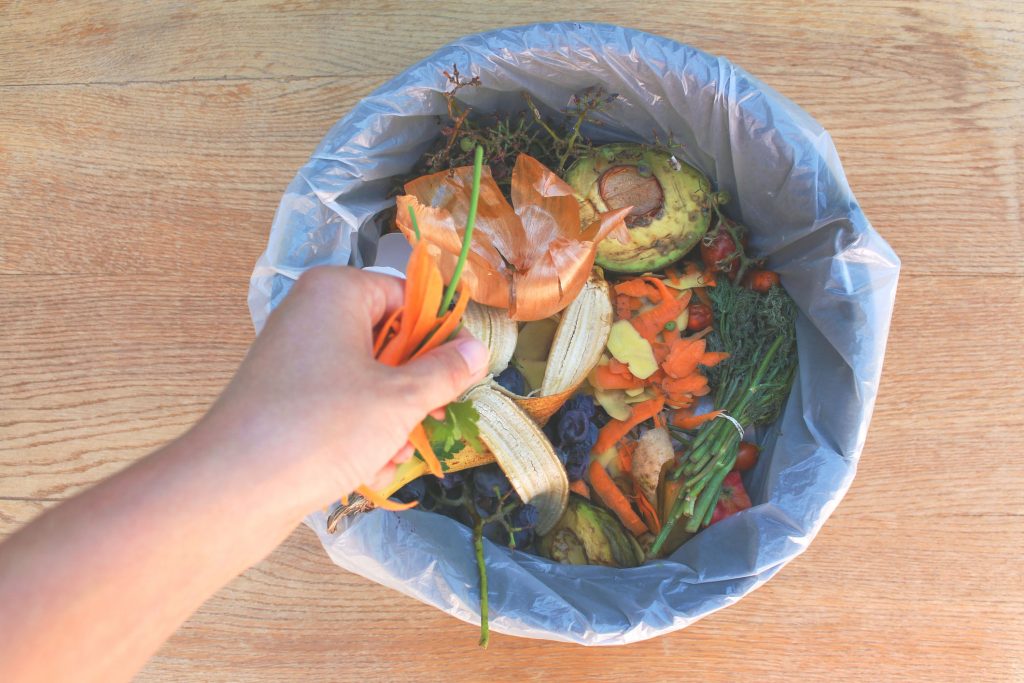
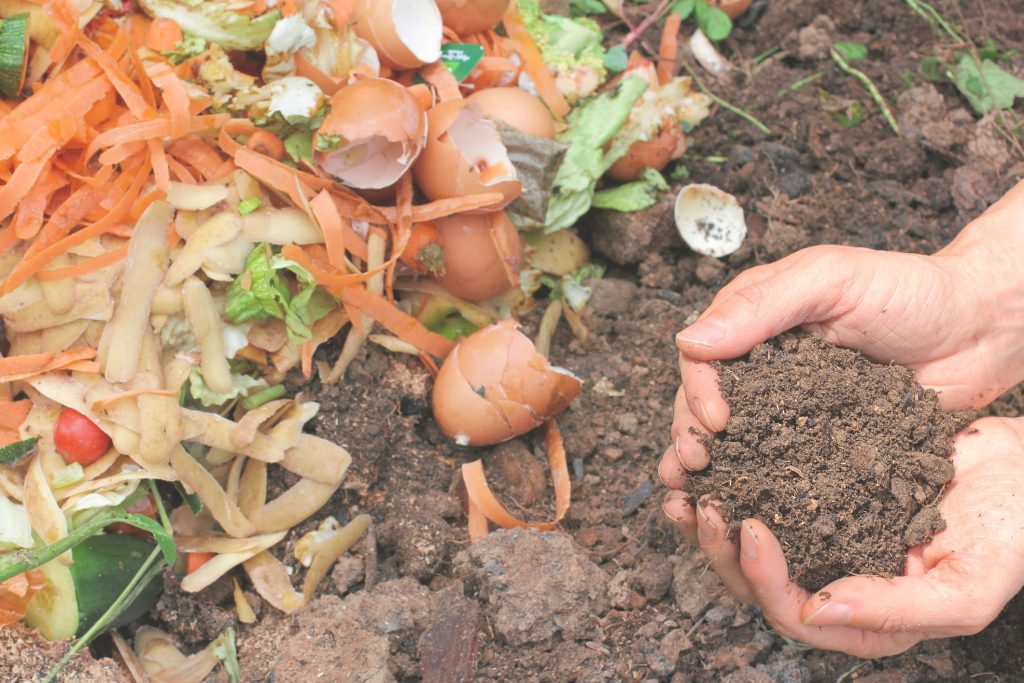
Composting is a natural process. Organic materials such as leaves, grass and vegetable scraps are broken down by microorganisms, forming a rich soil like substance called compost. Practically any plant material can be composted for garden use: sod and grass clippings (if they haven’t been chemically treated), hay, straw, weeds (without seed or disease), chopped cornstalks or cobs, sawdust (not treated wood), shredded newspaper and cardboard, wood ashes, hedge clippings, and many kinds of vegetable scraps from the kitchen.
To begin your compost area, choose a location that is fairly level, near where the compost will be used, close to a water source, and a safe distance from wells to avoid contaminating your drinking water. If you have an area that is 3-feet by 3-feet, preferably by your garden, you can easily start a compost pile today.
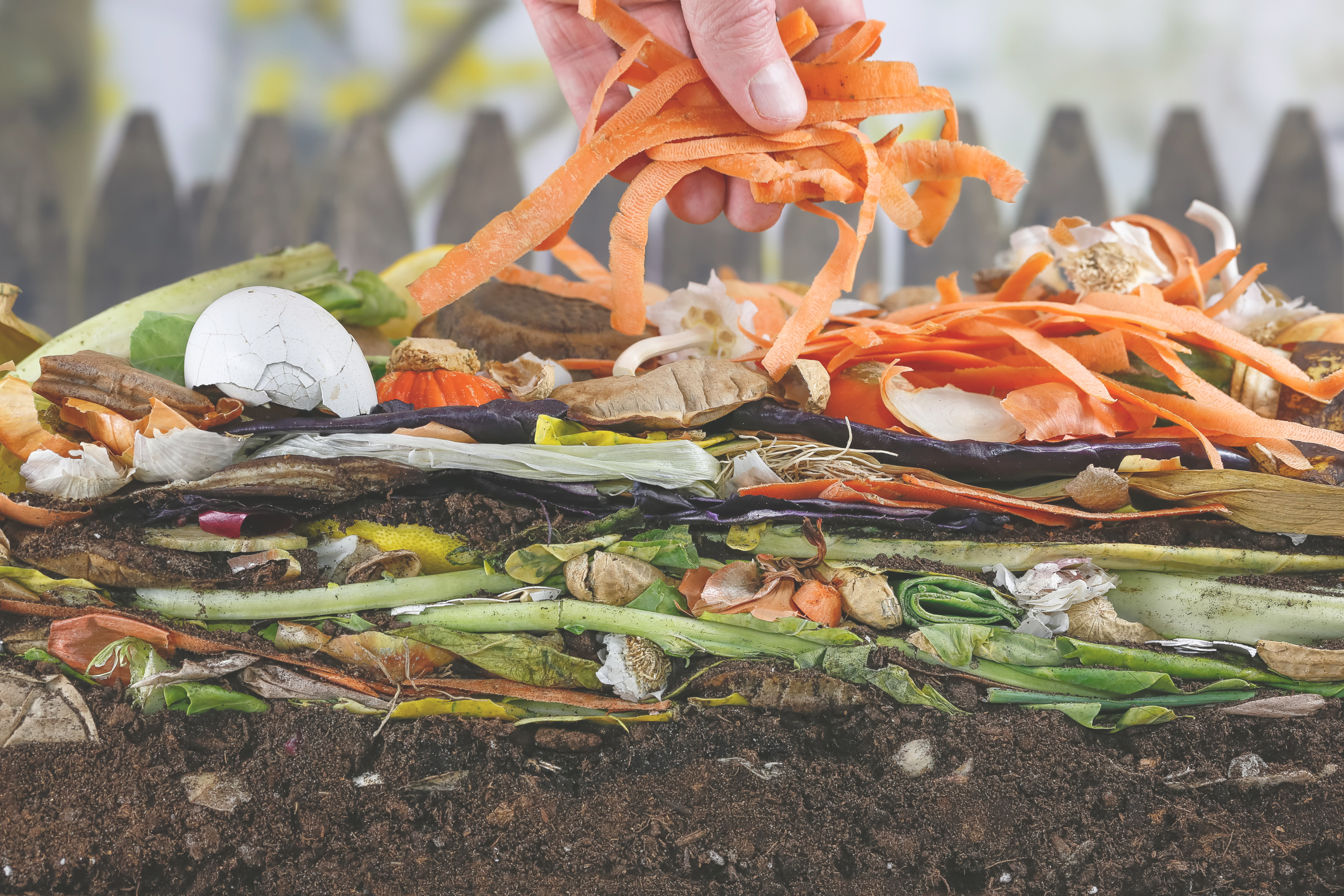
Efficient composting requires air, moisture, and the proper mix of materials, browns and greens. Green materials include fresh grass and untreated garden clippings, weeds, manure and kitchen vegetable scraps. Brown materials include fallen leaves, straw, wood chips, dead plant material, paper, and cardboard. Start the pile on the ground with a 4 to 6-inch layer of brown materials. Water well. Sprinkle in a 2-inch layer of greens. Water well. Add a handful of soil or finished compost to boost the number of microbes and mix the two layers together with a spading fork or shovel.
Continue to add layers of browns and greens, maintaining the ratio of brown to greens at 2:1. Make sure to mix each new layer group together. Periodically squeeze a handful of the mixture to check the water content. If several drops of water are produced, the material is wet enough. If water comes out in a stream, that’s too much. Add water or additional dry material to achieve the proper moisture content in the pile. Compost is produced in 8 to 10 weeks in spring and summer and longer during fall and winter with frequent turning. Turning less frequently will also extend compost production time.
Composting is a natural process that takes kitchen, garden, and yard waste and creates a valuable product for your garden. It’s a simple process to create compost, and it’s even easier to use. This inexpensive process can transform your garden. What are you waiting for? Start your compost pile today!
What Ingredients Should I Use?
Items That Break Down Quickly
Greens:

- Grass clippings (untreated)
- Salad greens
- Banana + peels
- Coffee grounds and filters
- Tea bags, with staples removed
- Apple cores
- Strawberry tops
- Peeled fruit (except citrus) and vegetable skins (carrot, apple, potato, etc.)
Browns:
- Dry autumn leaves
- Non-waxy paper, including newspaper
- Non-waxy cardboard boxes
- Cardboard egg cartons and beverage trays
- Paper towel, toilet paper, and wrapping paper rolls
- Sawdust from untreated wood
- Coffee chaff
- Non-oily bread, pasta, and grain
- Dried flowers
Very Wet Greens:
- Watermelon + rinds
- Cantaloupe + rinds
- Honeydew + rinds
- Celery
- Tomatoes
- Cucumbers
- Plums
- Items That Break down slowly
Items That Break Down Slowly
Greens:
- Big pits (peach, plum, avocado, etc.)
- Avocado skin
- Carrots (whole or chunked)
- Corncobs
Browns:
- Sticks, twigs, and logs
- Pine needles and cones
- Wooden chopsticks and stirrers
Greens with Natural Odor
- Garlic
- Onion
- Cabbage
Tricky Greens That Require Special Handling
- Manure
- Citrus rinds (a no-no in vermicomposting)
- Meat
- Bones
- Dairy
- Cooked food
- Oily food
- Weeds
NEVER USE:
Diseased plants and flowers, poisonous plants such as poison ivy, materials exposed to toxic chemicals, or cat manure and litter.
What Type of Composter Should I Use?
Looking for a way to compost without the backyard compost pile? Compost bins are a perfect choice for you. Compost bins are touted for their ability to make composting easier and more efficient. They are made from a wide variety of materials, including plastic, stainless steel, wood, blocks, bricks, stones, or mesh wires. Bins can be purchased from retailers, or hand-made at home.
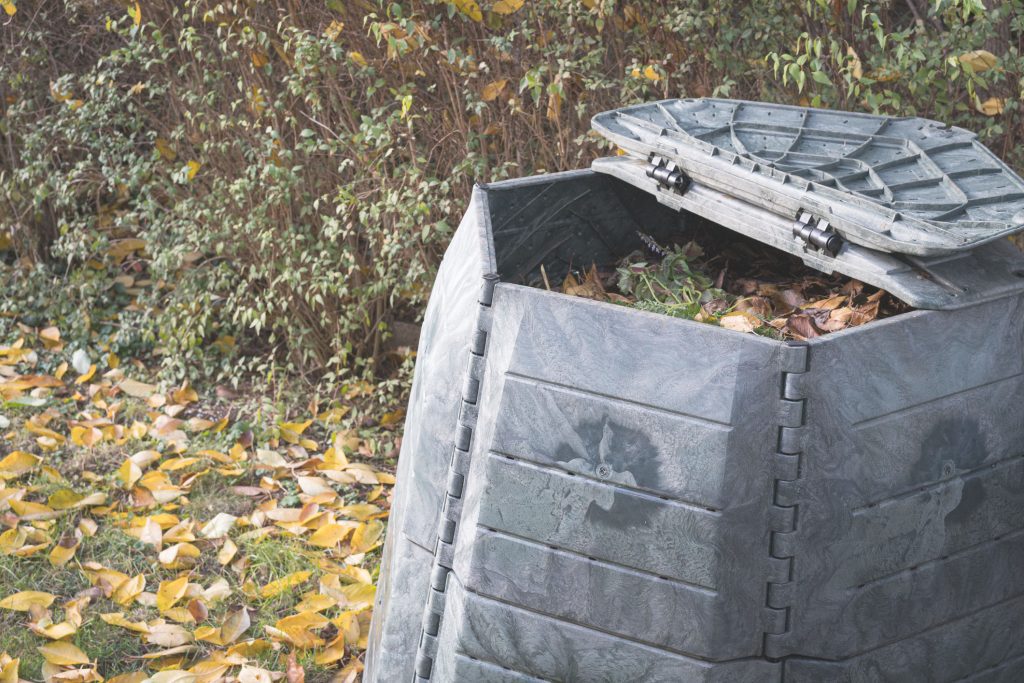
If you’re the type that just likes to toss it in and forget about it, continuous compost bins might be the way to go. Composting material, like kitchen and yard scraps, are added to this enclosed bin continuously. Compost is created slowly in these bins, and the finished compost filters down to the bottom of the bin to be removed. Continuous compost bins are sealed, which is helpful for keeping animals out – and smells inside.
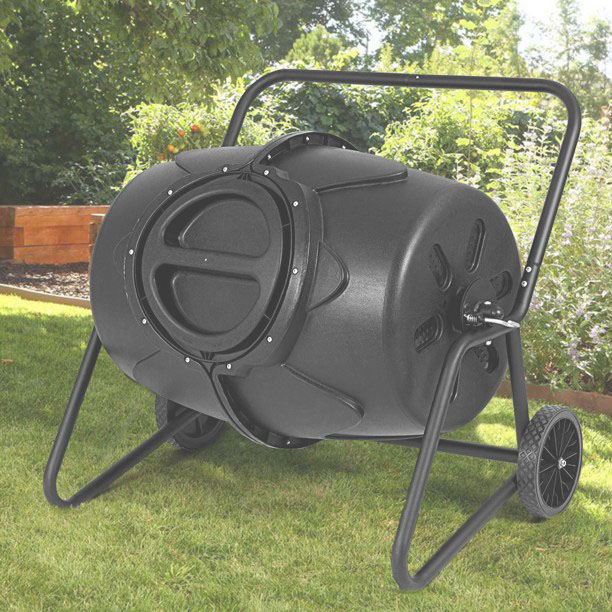 If you need to create compost fast and are able to put in additional effort and planning, consider a batch or tumbling composter. Batch composters use rotating action to accelerate the compost process. Using a balanced mix of ingredients, the composter can generate compost in four to eight weeks. The composter should be regularly checked for moisture and turned daily to maintain the speedy process. Once the process has begun, you cannot add more composting material. This material should be stockpiled for the next batch; it can be kept in an open bin, an outside pile, or even a continuous composter.
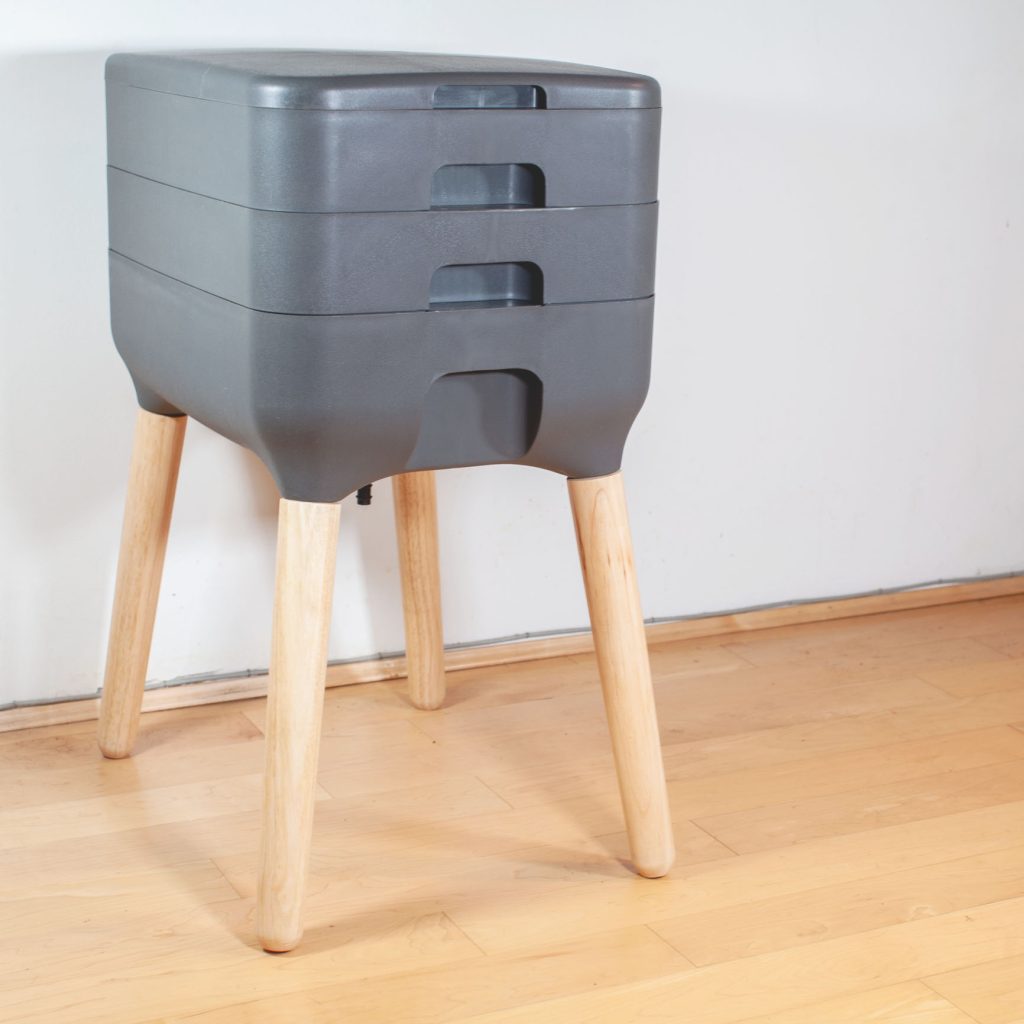
For those with limited access to outdoor space and much smaller compost needs, an indoor composter is designed to turn kitchen waste into compost. Many indoor compost bins are worm bins used for vermicomposting. Vermicomposting, or worm composting, is used to generate worm castings (worm poop) and produce natural compost. The process is known for its low odor compost. Worm bins can be created from a plastic bin with a lid (inside) or even wooden boxes (outside). Fabricated boxes are also available. These bins may take a little additional work at setup and harvest but are easy to maintain.