


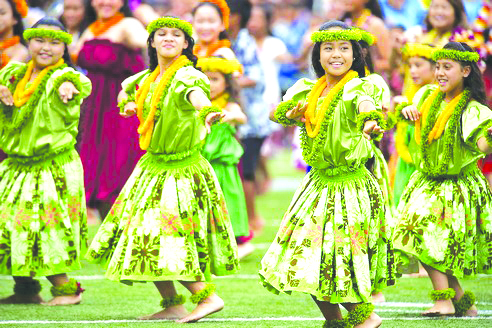
Waynesburg is not alone in the celebration of rain. Many cultures throughout history have cajoled the gods or forces of nature to bring forth the life sustaining showers. As an agrarian society, it is not surprising such a festival took root here. Although, the relatively modern nature of Rain Day is a fun, light-hearted nod to our agricultural past, many older cultures embrace the rituals on a more fundamentally spiritual level.
In fact, rain has always held a powerful place in the human imagination. As a gift that nurtures crops, replenishes water sources, and cools arid lands, it has long inspired gratitude and reverence. Across cultures and continents, communities have developed celebrations to honor, summon, or give thanks for rain. These traditions, steeped in spirituality, agriculture, and folklore, reflect the deep connection between human life and the natural world.
In the middle of the last century, many farmers in this area would hang a dead blacksnake on their fence to bring rain on July 29. The practice was well known in rural folklore as an invocation for rain. However, by that time it was usually done in fun (not for the snake) as part of the Rain Day schtick.
It is interesting to note, this tradition was rooted in Native American lore. Many tribes have intricate ceremonial dances like the Snake Dance, which are believed to influence weather patterns. These performances involve elaborate masks, rhythmic footwork, and symbolic gestures that imitate rainfall.
Rain dances are one of the most well-known indigenous ceremonies. Various tribes perform these dances as both spiritual rituals and agricultural practices. Each tribe has its own distinctive style, but the central purpose remains consistent: to call forth rain for crops and survival.
In Mexico and Central America, rain is intimately tied to indigenous cosmologies. The ancient Maya worshipped Chaac, the rain god, who was believed to reside in natural sinkholes and caves. Rituals to honor Chaac included offerings of corn, jade, and even human sacrifices during times of drought.
Modern festivals, like Mexico’s Fiesta de San Isidro, blend Catholic and indigenous traditions. Held in honor of the patron saint of farmers, the celebration includes parades, blessings of animals, and dances to invoke rain and ensure a good harvest.
Even in drought-prone European Christian communities, prayers for rain are often included in public worship and private devotion. In Spain, special masses and processions are held during dry periods, with villagers carrying religious icons such as those of Saint Isidore or the Virgin Mary to ask for divine intervention.
Peasants in pre-Soviet Russia used to dump buckets of water on the parish priest thinking this was the best way for God to know they wanted rain. Afterall, he was God’s representative on Earth.
Japan’s rainy season, known as Tsuyu or “plum rain,” typically lasts from early June to mid-July. The season is embraced for its role in nurturing the land and renewing life. Cultural expressions of rain appreciation are found in haiku poetry, art, and festivals.
Even modern Japanese culture reflects a subtle reverence for rain, with traditional umbrellas, rain-themed kimonos, and the depiction of gentle rain in films and anime symbolizing introspection and beauty.

India, where agriculture depends heavily on the monsoon, has developed an array of festivals to welcome the rains. One prominent celebration is Teej, which celebrates the arrival of the monsoon. Women dress in bright colors, sing folk songs, perform traditional dances, and swing on elaborately decorated swings hung from trees.
In addition, Aadi Perukku is observed from mid-July to mid-August. The festival celebrates the replenishing of rivers by monsoon rain and involves water rituals, offerings of rice dishes, and prayers for agricultural success.
In Indonesia, water is deeply sacred and central to religious and agricultural life. Ceremonies are performed to thank the gods for water and to ensure a steady supply through the growing season.
Many African societies have rich traditions of rainmaking rituals, often led by spiritual leaders or shamans believed to have the power to communicate with nature spirits or deities. In the Zulu culture of South Africa, rainmaking ceremonies involve dances, offerings, and chants to appease the ancestors and invite rain. The Bantu people have similar customs, often involving symbolic items like clay pots filled with water and animal sacrifices.
Among the people of Zimbabwe, the annual rainmaking ceremony known as Mukwerera is held to appeal to the spirits for rain. Offerings of beer and goat meat are made at sacred shrines, while traditional dances and drumming set the tone for the spiritual requests.
These rain rituals across the world demonstrate a universal pursuit. Humans have sought to understand, influence, and celebrate rain, not just as a meteorological event but as a sacred and social experience. In honoring rain, communities affirm their bond with nature and with each other.